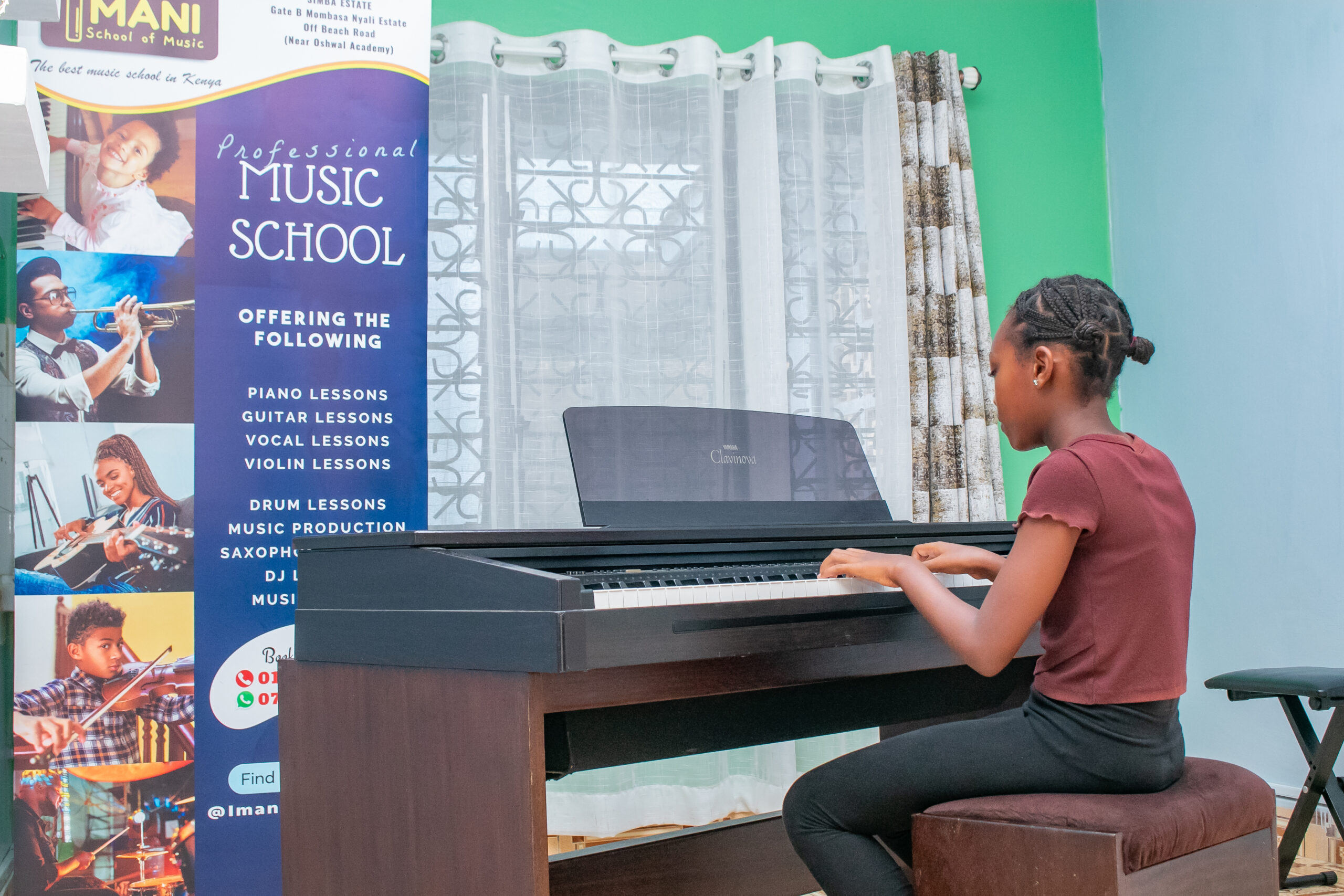
The Piano Studies Program at Imani Music School offers a comprehensive and progressive pathway designed to cultivate musical literacy, technical command, and artistic confidence. Open to learners of all ages and backgrounds, the program accommodates three distinct entry points: absolute beginners with no prior experience, returning learners resuming their musical journey, and advancing students seeking refinement and mastery.
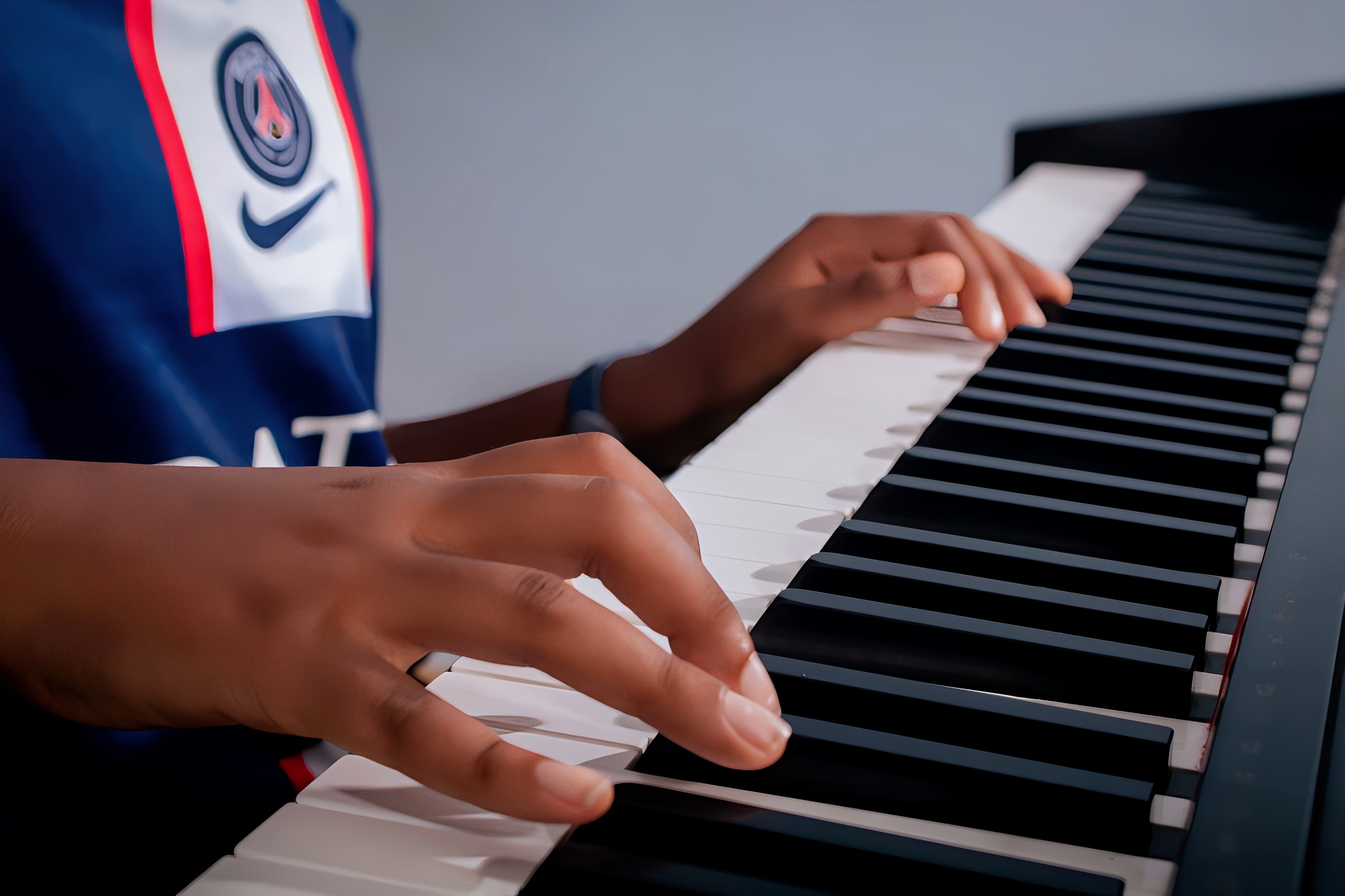
Instruction begins with the foundations of pianism-posture alignment, hand positioning, finger numbering, and spatial awareness across the keyboard. Students are gradually introduced to pitch recognition, rhythm patterns, and visual score reading. The early curriculum emphasizes sound control through finger exercises designed to build independence between the hands. Simple melodic tunes and familiar song adaptations are used to develop early fluency while keeping lessons engaging and attainable.
As students acquire confidence in reading and coordination, they progress into structured repertoire study. This phase introduces more defined musical forms such as waltzes, minuets, and lyrical pieces from accessible composers. Technique-building becomes more intentional, incorporating scales, arpeggios, chord inversions, and sight-reading drills. Learners also begin to explore expressive elements such as articulation, phrasing, and dynamic shading, enabling them to transition from mechanical playing toward interpretative musicianship.
Advanced training focuses on stylistic refinement, endurance building, and performance discipline. Students are guided through longer-form works involving structured left-hand accompaniment patterns, thematic contrast, and pedaling control. Instruction incorporates discussions on musical structure, historical context, and performance etiquette, preparing students not only to play but to communicate artistry through their instrument. Where suitable, learners are prepared for graded examinations such as ABRSM or Trinity College London, accompaniment roles within worship settings, studio session work, or recital performances.
Instructional formats include one-on-one coaching, guided practice plans, theory integration, and optional duet or ensemble participation. Regular assessment is conducted through progress reviews, mock examinations, and informal performance opportunities.
Owning an acoustic piano is beneficial but not compulsory at the beginner stage. A full-size digital keyboard with weighted keys is adequate for initial learning. Our instructors can provide guidance on suitable models and purchasing options.
Yes. We welcome adult beginners and tailor lessons to respect pacing and learning style. Many adults find learning piano rewarding both cognitively and emotionally.
Progress is dependent on practice consistency. With regular attendance and 30 minutes of daily practice, students typically begin performing short pieces confidently within 6 to 9 months and progress into intermediate repertoire within 12 to 18 months.
Yes. Imani Music School organizes showcase events and participatory performances where students may present prepared works to build stage familiarity and self-assurance.